IN MEMORIAM
Since 2021, our community has mourned the loss of seven students to suicide. Each of these individuals was a unique and cherished part of the Princeton family—they were our friends, our classmates, and our peers. Their absence leaves a void that is felt across every corner of our campus. We hold their memories at the center of our work, recognizing that the grief of our community must be met with a renewed commitment to the value of every life.
AN OVERVIEW OF PRINCETON’S STATUS QUO
-
Since January 2021, the Princeton community has mourned eight consecutive student losses, seven of which have been confirmed as suicides. While mental health is a documented national challenge—with 70% of students reporting difficulties since starting college—the frequency of loss at Princeton represents a critical outlier. Research into elite campus cultures indicates that Princeton’s suicide rate has recently trended at 7.7 times the national average for college students. Despite an institutional focus on "wellness," only 36% of students currently report that they are "thriving," highlighting a significant gap between existing resources and student survival.
-
For many, the primary obstacle to mental health support is an institutionalized financial burden. Internal USG data reveals that 89% of surveyed students cite copayments as a primary discouragement from seeking external therapy. Under the current Student Health Plan (SHP), the average student seeking care faces an out-of-pocket cost of over $1,000 per year—a figure that is untenable for FGLI students and those without parental support. This financial strain creates a "pay-to-play" model of wellness, where students are forced to choose between clinical support and basic living expenses, a choice that 50% of SHP-enrolled students must navigate annually.
-
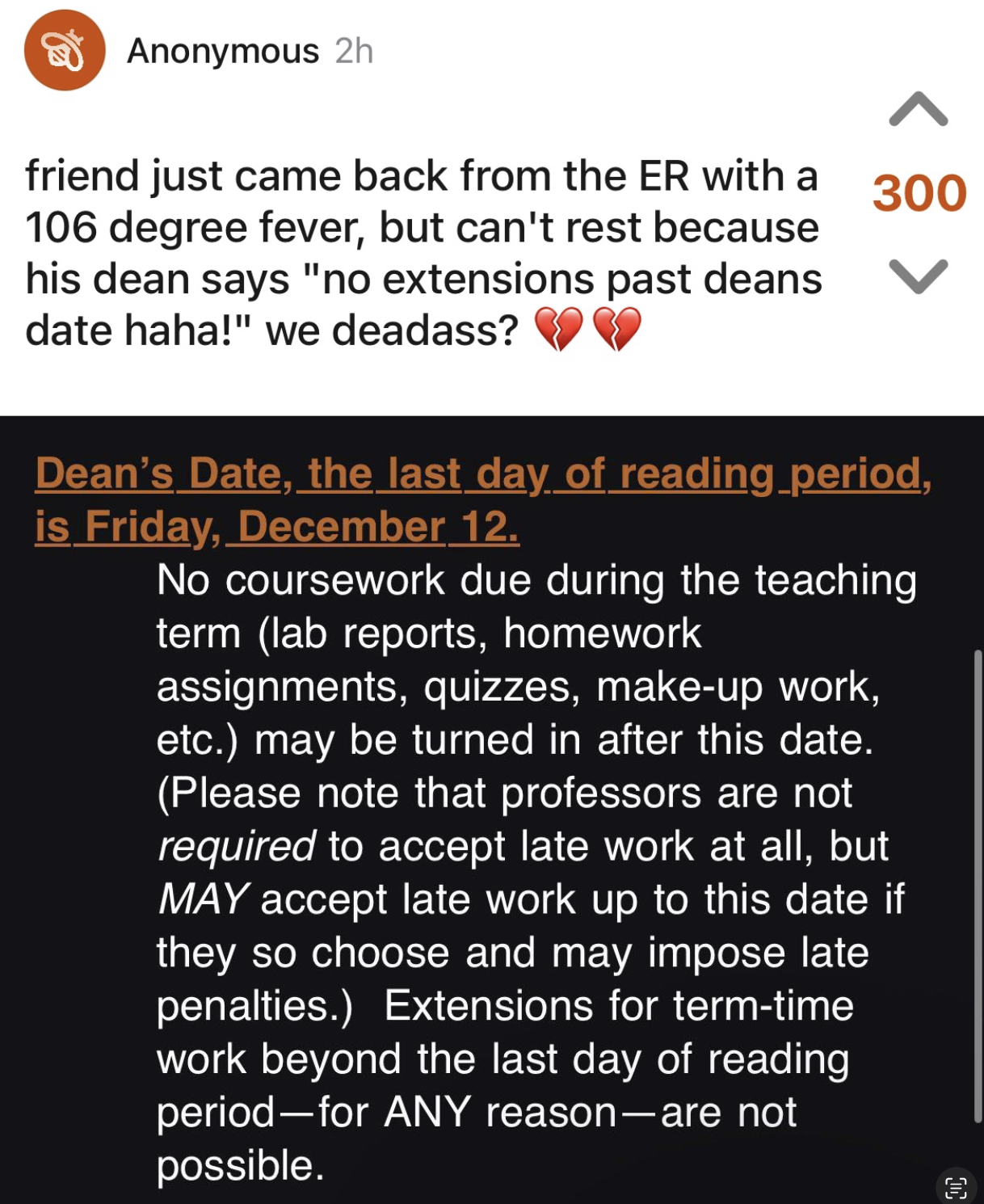
The crisis at Princeton extends beyond clinical availability into the fundamental structure of campus life. The "culture of effortless perfection" rewards students for concealing distress, effectively normalizing burnout as a rite of passage. This systemic pressure is compounded by an academic environment that often treats mental health crises with less urgency than physical injuries. Currently, students returning from institutionalization or health-related leaves face ambiguous reintegration procedures and a lack of standardized academic accommodations. Until the University addresses the recursive relationship between institutional culture and student health, clinical resources will continue to act as a reactive band-aid rather than a preventative solution.
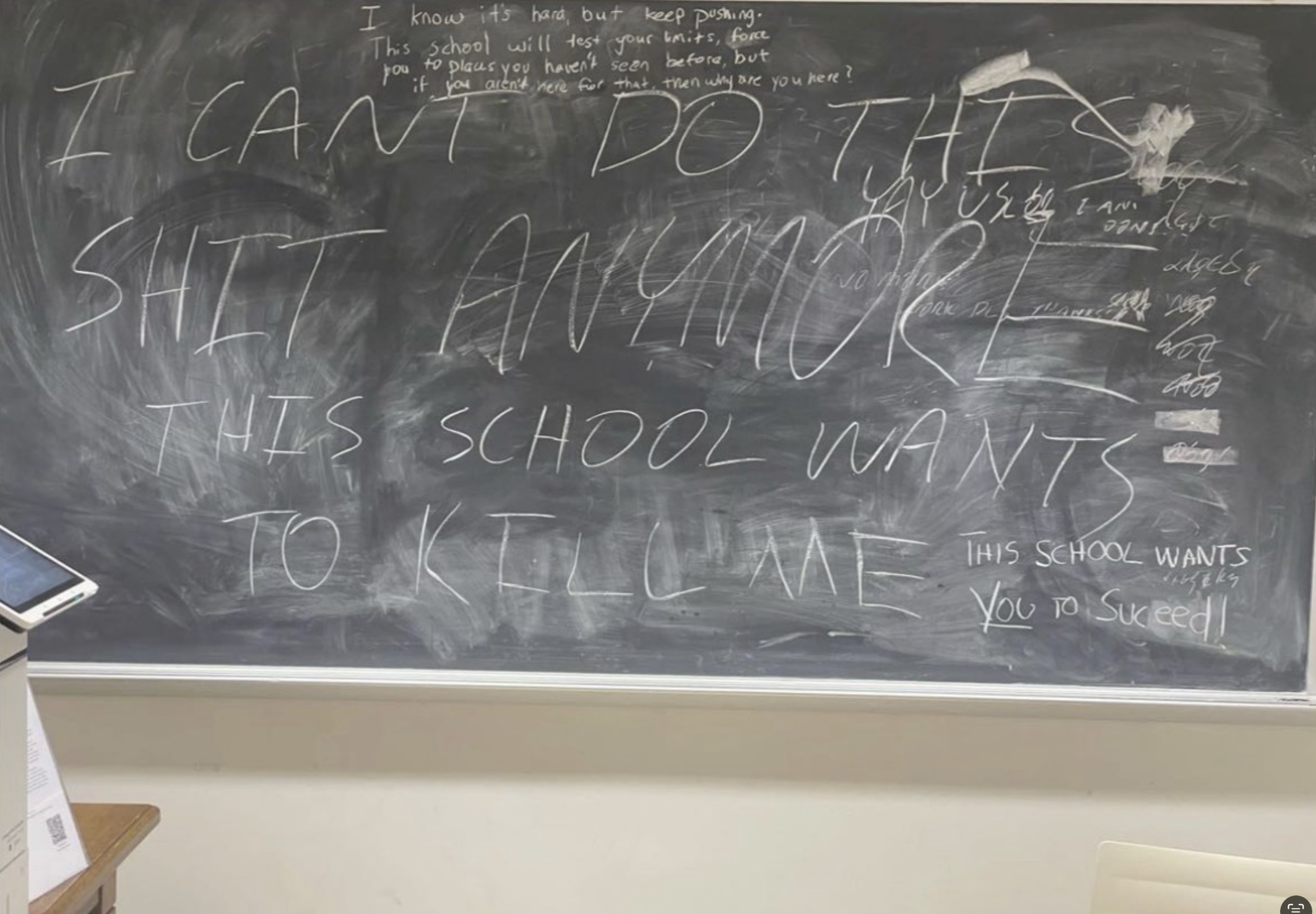
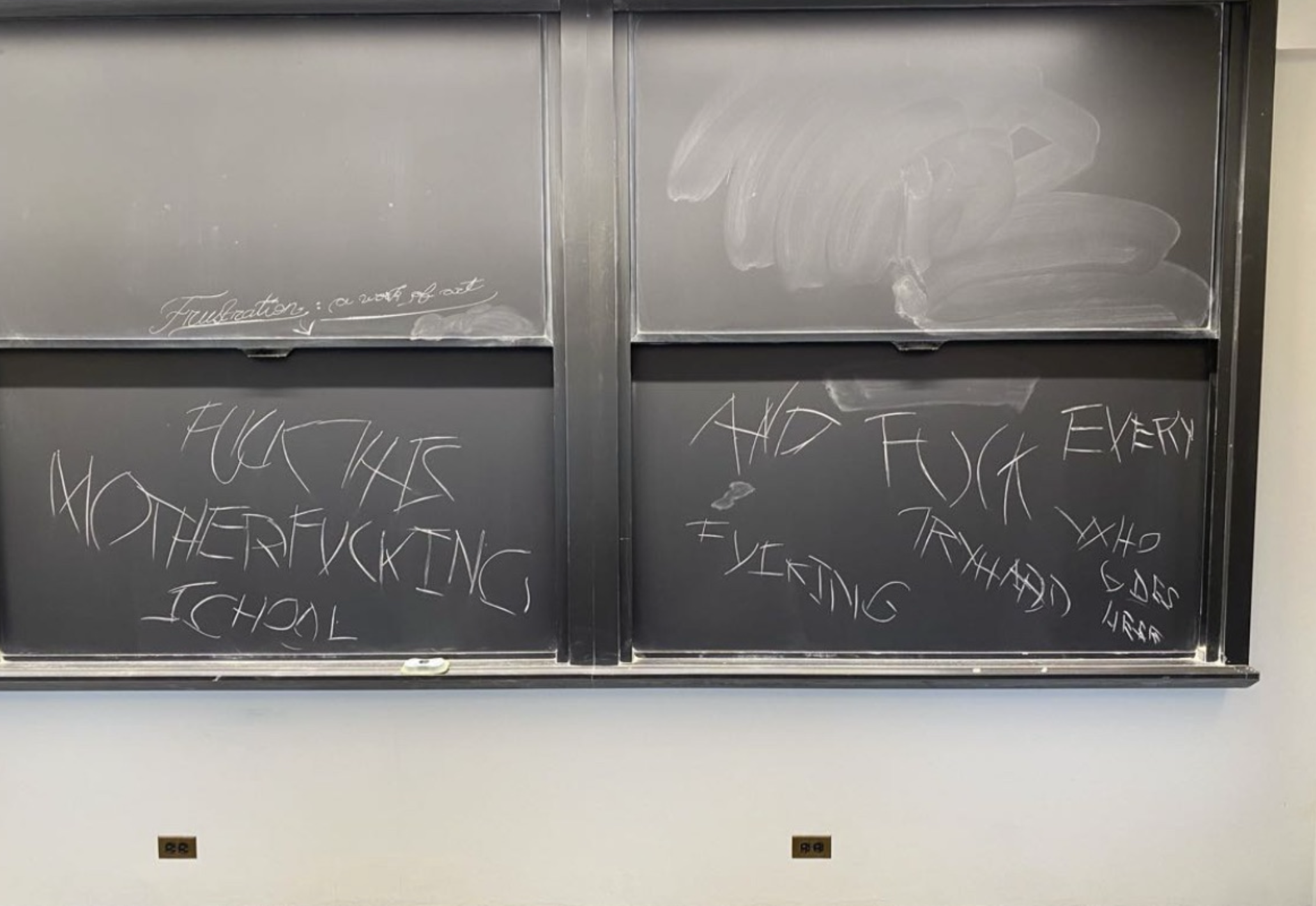
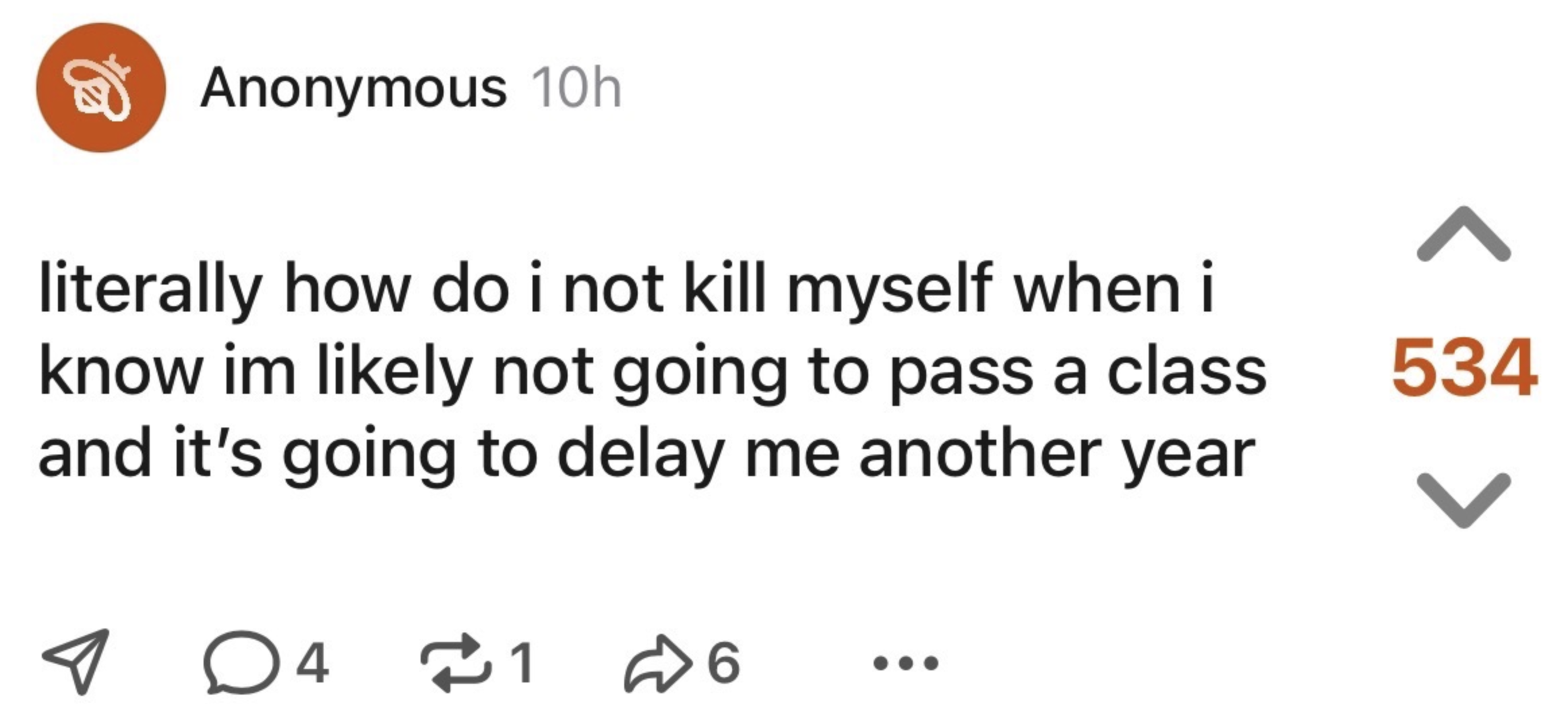
Real messages left by princeton students
The messages left across our campus over the last four years reflect a student body in crisis. They serve as a physical record of the struggle to survive a culture that often feels unsustainable. We record them here to ensure that the call for structural reform is never silenced by administrative inaction.
If you would like to submit a photo to the gallery, please submit this anonymous form.